In the competitive world of woodworking and surface finishing, every meter matters. Whether you produce parquet flooring or cladding, it is tempting to replace consumables only when they are completely worn out.
From a production efficiency perspective, this is a costly misconception.
Wear acts as a hidden thief in your production line. Not because something suddenly fails, but because performance slowly declines, often unnoticed, while costs continue to increase.
In this blog, we take a closer look at the real impact of worn components and how a more proactive approach can improve your overall performance.
How wear shows up in practice
You do not need to be an engineer to recognize when your brushing machine or roller coater is no longer performing at its best. The first signs appear in the end product, often long before the machine shows any technical failure.
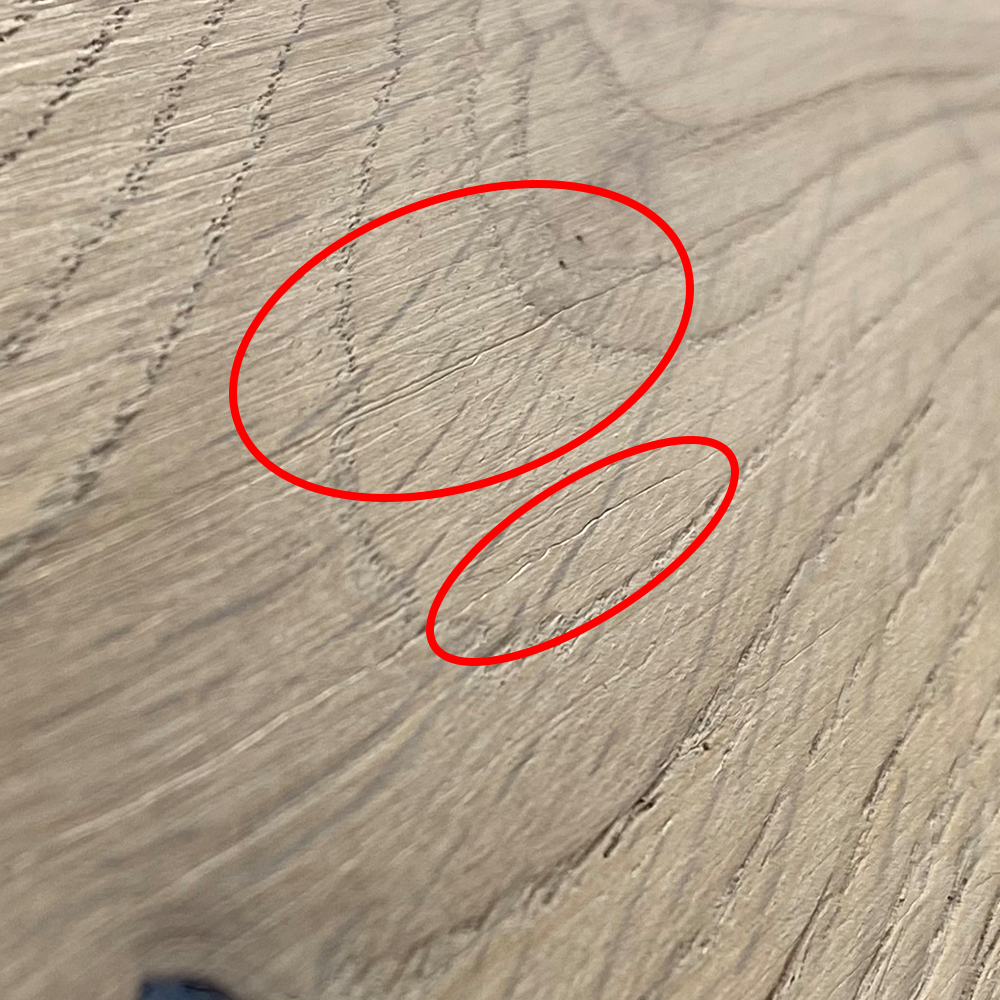
Where a new roller ensures a consistent distribution, wear gradually introduces streaks and irregularities in the coating. Liquids no longer penetrate the wood structure as effectively, which can affect the durability of the finish.
In markets such as flooring, where visual quality is critical, wear reduces the depth and appearance of the wood. At the same time, brushes lose their cutting effectiveness, resulting in a rougher surface that often requires additional sanding.
What happens when you wait too long
Delaying replacement may seem like a way to save on consumables, but in reality, the indirect costs are significantly higher.
One of the biggest impacts is increased liquid consumption. Worn rollers lose dosing accuracy, leading operators to apply more material to achieve the desired result. This results in unnecessary use of expensive oils, lacquers, or fire-retardant coatings.
In a market where cost per meter is under constant pressure, this directly affects your margin.
Quality is also affected. Inconsistent finishing increases the risk of complaints or even full batch rejection. The time and labor required for rework quickly exceed the cost of timely replacement.
There is also an impact on production flow. When components eventually fail, it leads to unplanned downtime. This disrupts scheduling and forces your team into reactive problem-solving instead of controlled, predictable production.
Why replacement is often delayed
Despite these clear disadvantages, replacement is often postponed. In practice, we see three common reasons.
The first is a focus on purchase price rather than total cost of ownership. The cost of new brushes or rollers is visible, while the impact on cost per meter is often not clearly measured.
The second is underestimating the effect of wear. Machines continue to run, which creates the impression that performance is still acceptable, even though efficiency is gradually decreasing.
The third is habituation. Operators adapt to the declining quality and start to accept it as the new standard, even when it falls below the desired level.
From wear to control
The real challenge is not reacting when something breaks, but maintaining control before performance starts to decline.
At Trivec, we focus on helping companies make wear visible and manageable. Not as a one-time intervention, but as part of a structured approach to production.
By managing the life cycle of brushes and rollers more proactively, it becomes possible to:
- maintain consistent quality
- reduce unnecessary material consumption
- avoid unexpected downtime
Your partner in performance
Improving efficiency starts with understanding where losses occur in your process.
At Trivec, we do not focus on individual components, but on the performance of your entire production line. We translate technical details into clear insights, such as consumption, output, and cost per meter.
If you want to gain better control over your process, we invite you to visit our experience center or plan a discovery call. Together, we can analyze your setup and identify where improvements can be made.